Manipulation Media
Plain and simple: we’ve been duped. Every day the world feels more saturated with hate and division. There seems to be a constant heaviness that has created fear and anger like I’ve never seen. It’s heartbreaking and it should also wake us up.
Lately, I’ve been talking with friends, wonderful people from all walks of life, different religions, and different political views. When we sit face-to-face, something simple and deeply human happens. We laugh. We listen. We soften. In those moments, I’m reminded of what we’re losing: the truth that our neighbors are not our enemy. The real enemy is the machine behind the screen.
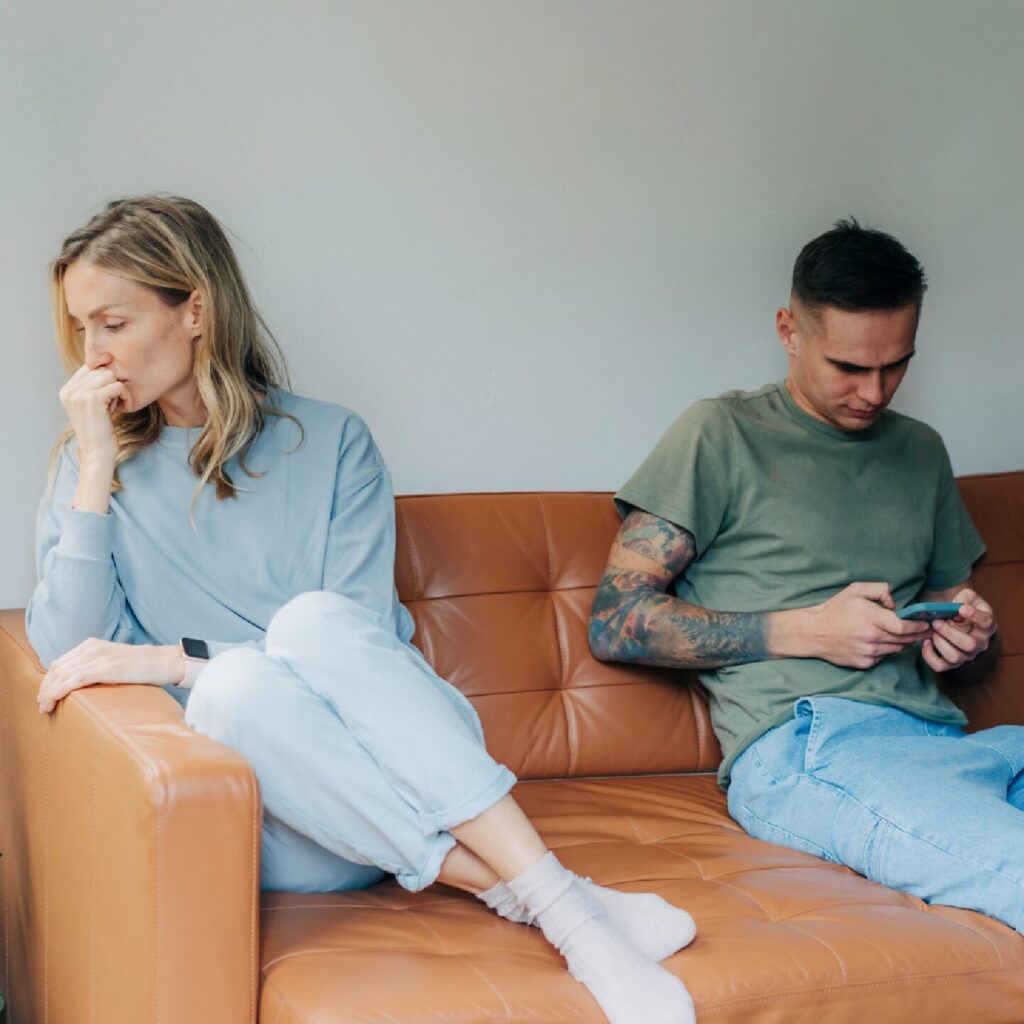
It’s odd that we call this thing “social” media, because there is nothing truly social about it. Being social means showing up, sharing experiences, working alongside one another, and being in the present moment. A thousand online “friends” can feel far lonelier than a handful of real ones. And the person you’ve been taught to fear or despise? That didn’t come from knowing them, it came from a system designed to pull us apart.
Research makes this clear: strong, real-world connections make us healthier, happier, and even help us live longer. Face-to-face relationships protect against depression, anxiety, and loneliness. They give us belonging. In contrast, social media use is often tied to more loneliness and less well-being, especially when screens replace real relationships. The more we scroll, the more isolated many of us feel.
Why? Because these platforms are powered by algorithms that reward outrage. They show us what will keep us hooked: fear, anger, and division. Over time, we get nudged toward extremes without even realizing it. And it’s not our fault! The design itself creates addictive loops, triggering little “rewards” in the brain that keep us coming back for more. It’s like we’ve been quietly rewired.
So, let’s call it what it really is: Manipulation Media. It is not our neighbor. It is not the stranger across town. It is this machine that has slowly shaped our emotions, our habits, and even the way we see each other.
Choosing connection again
The good news is that while Manipulation Media won’t change on its own, we still can. We are not powerless. We can choose kindness. We can choose each other.
- Unplug to reconnect. Create small rituals: device-free dinners, phone-free walks, game nights where presence matters more than notifications.
- Put your phone down and say hi. Talk to the woman behind you in the checkout line. Say hi to the man sitting next to you in the doctor’s office. Ask the Uber driver how his day has been.
- Practice small moments of kindness. A smile, a listening ear, a thoughtful note. These small gestures rebuild trust and connection.
- Create safe, phone-free spaces. Parks, schools, coffee shops, libraries, we can make them places where people actually look up and see one another.
- Teach digital awareness. Help one another understand how these systems are designed and remind each other that we can choose differently.
Why this matters now
This isn’t just nostalgia for “the way things used to be.” It’s about preserving what makes us human. The U.S. Surgeon General has even named disconnection as a public-health crisis. Belonging and kindness are as essential to us as food and water and we are starving ourselves. If we let Manipulation Media continue to over-power us, we risk losing the very thing that makes us whole.
Yes, it’s okay to feel angry about that. But more importantly, let’s use that anger to do something hopeful. Let’s walk away from what divides us and walk back toward each other.
A gentle challenge
I know there is anger, but can you slowly stop pointing fingers at your neighbor and start extending a hand? Can you find what connects us instead of what divides us? Can you disagree with someone, but also find what you do agree on? Let’s take back our attention, our compassion, and our conversations. Let’s choose people over platforms.
Because at the end of the day, what heals us won’t be another scroll or click. What heals us will be kindness. Real voices. Real faces. Real connection.
